

India AI Impact Summit 2026: In-Depth Insights, Key Highlights, Transformative Announcements, Innovations, and Worldwide Implications

Image Credit: Government of India / India AI Impact Summit 2026
In an era where artificial intelligence (AI) is reshaping economies, societies, and geopolitics, the India AI Impact Summit 2026 stands as a pivotal global gathering. Hosted at the iconic Bharat Mandapam in New Delhi from 16 to 20 February 2026, this event underscores India's bold stride towards becoming a frontrunner in responsible, inclusive, and impactful AI. Far from being just another conference, it bridges the gap between visionary policies and tangible outcomes, particularly for the Global South.
Drawing thousands of attendees—including policymakers, tech titans, startups, researchers, and international delegates—the summit emphasises AI's role in fostering humanity, inclusive growth, and sustainability. As India leverages its vast talent pool, digital infrastructure, and ethical frameworks, the event is not merely showcasing innovations but actively forging partnerships that could redefine global AI norms.
This detailed guide delves into the summit's essence, from strategic visions to real-world applications, offering practical insights for businesses, developers, students, and global stakeholders. Whether you're tracking economic shifts or seeking inspiration for AI-driven solutions, here's everything you need to know about this landmark occasion.
Table of Contents
- 1. Introduction: The Significance of the India AI Impact Summit 2026
- 2. Summit Overview: Scale, Structure, and Global Reach
- 3. India's Ambitious AI Strategy: Building Sovereignty and Inclusivity
- 4. Spotlight on Major Announcements and Technological Breakthroughs
- 5. Indigenous AI Models and Infrastructure: Foundations for Self-Reliance
- 6. Contributions from Global Tech Leaders and Collaborations
- 7. The IndiaAI Mission: Government's Blueprint for AI Advancement
- 8. Fuelling the AI Startup Ecosystem: Innovation and Growth Drivers
- 9. Sector-Specific AI Transformations: Real-World Applications
- 10. Economic Ripples and Global Repercussions
- 11. India's Standing in the International AI Arena
- 12. Navigating Challenges: Risks and Strategic Considerations
- 13. Charting the Future: Roadmap and Emerging Opportunities
- 14. Actionable Advice for Businesses, Developers, and Learners
- 15. Wrapping Up: Reflections on a Defining Moment
- 16. Frequently Asked Questions (FAQs)
- 17. Essential Takeaways and Closing Thoughts
1. Introduction: The Significance of the India AI Impact Summit 2026
Imagine a world where AI not only powers cutting-edge tech but also bridges divides in healthcare, education, and agriculture for billions. The India AI Impact Summit 2026, organised by the Ministry of Electronics and Information Technology (MeitY), embodies this vision. As AI's economic contribution is forecasted to reach trillions globally, India's summit positions the nation as a key architect in this transformation.
This isn't about hype—it's about impact. The event highlights India's shift from AI consumer to creator, focusing on sovereign systems that prioritise data privacy, multilingual accessibility, and ethical deployment. With the Global South often sidelined in AI discussions, India's hosting of this summit—the first major one in the region—amplifies voices from emerging economies, ensuring AI serves humanity equitably. Attendees are witnessing live how AI can tackle real challenges, from climate resilience to job creation, making this a must-follow for anyone invested in technology's future.

🇮🇳 Highlights of India AI Impact Summit 2026

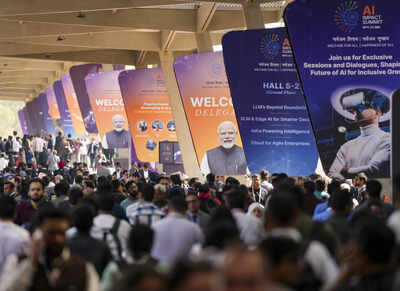
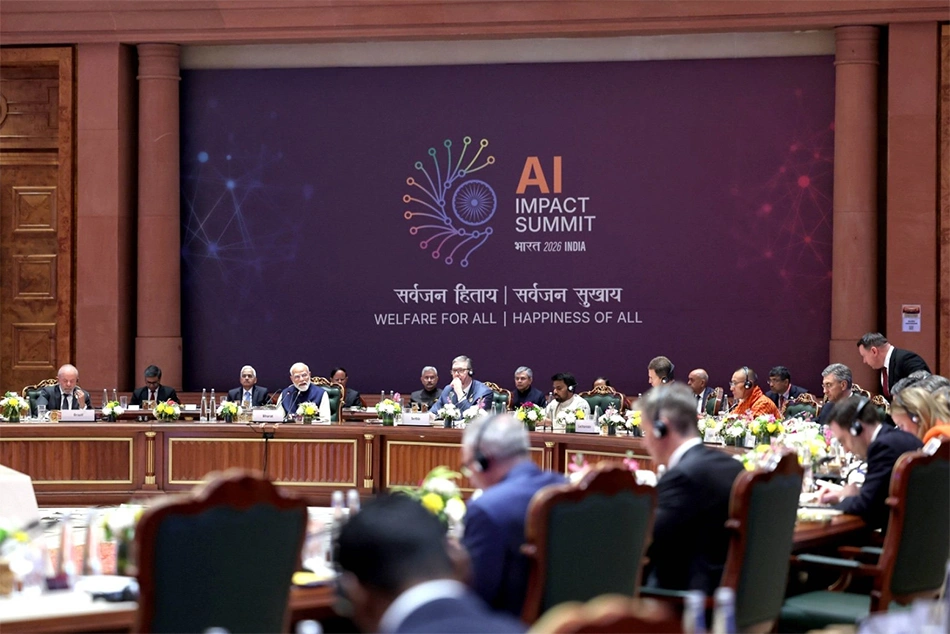
The India AI Impact Summit 2026, held from February 16 to 20 in New Delhi, was one of the world’s largest AI gatherings, bringing together global tech leaders, policymakers, innovators, startups, and researchers. With over 500 sessions, 840+ exhibitors, and participants from more than 30 countries, the summit positioned India as a global hub for AI innovation and collaboration.
🚀 Major AI Investment Announcements
- Reliance Industries announced a ₹10 lakh crore investment plan to build AI infrastructure and affordable AI services. Read more
- Microsoft revealed plans to invest billions globally, with India being a major destination for AI infrastructure and skill development. Read more
- The summit secured over $200 billion in AI investment pledges, highlighting India’s rapidly growing AI ecosystem. Read more
🧠 Launch of Innovative AI Platforms and Technologies
- The Benchmarking Open Data Platform for Health AI (BODH) was launched for secure AI model testing in healthcare. Read more
- AI startups showcased real-world applications in healthcare, agriculture, education, manufacturing, and climate solutions. Read more
🌍 Global Tech Leaders Participation
- Executives from Google, Microsoft, Infosys, and AI startups attended, showcasing India’s global AI presence. Read more
- Anthropic announced expansion plans and partnerships in India for AI research and development. Read more
👨💻 AI Skills, Education, and Workforce Development
- Initiatives like AI Pragya aim to train millions of youth for a future-ready workforce. Read more
- Experts emphasized AI education, infrastructure, and skill development for inclusive growth. Read more
🌐 AI Expo and Innovation Showcase
- 150,000+ visitors, 400+ exhibitors, 70,000+ sq. meters exhibition space. Read more
- Showcased AI robots, generative AI tools, smart systems, and automation solutions.
🌱 India’s Vision: AI for People, Planet, and Progress
- Focused on economic growth, social development, and environmental sustainability. Read more
- Government leaders highlighted ethical, inclusive, and human-centric AI development. Read more
🏆 Competitions, Hackathons, and Startup Opportunities
- AI challenges and hackathons with prize money worth crores encouraged innovation. Read more
- Provided networking opportunities for startups, investors, and global tech companies.
📊 Overall Impact
The India AI Impact Summit 2026 reinforced India’s position as a global AI hub, a leader in AI talent and infrastructure, and a key player in shaping the future of artificial intelligence. The summit showcased India’s potential to drive economic growth, digital transformation, and technological leadership.
2. Summit Overview: Scale, Structure, and Global Reach
Spanning five dynamic days at Bharat Mandapam, the India AI Impact Summit 2026 is a multifaceted extravaganza blending policy dialogues, tech exhibitions, and collaborative sessions.
Core Details:
- Dates: 16–20 February 2026
- Venue: Bharat Mandapam, New Delhi
- Organiser: MeitY, under the IndiaAI Mission
- Theme: Shaping AI for Humanity, Inclusive Growth, and a Sustainable Future (anchored in "Sarvajana Hitaya, Sarvajana Sukhaya")
The summit boasts an impressive scale: over 300 exhibitors from India and 30+ countries in 10+ thematic pavilions at the India AI Impact Expo. Sessions include keynote addresses, workshops, research forums, startup pitches, and high-level town halls. Notable features are the AI for All: Global Impact Challenge and AI by HER, spotlighting scalable solutions for social good.
Global participation is a highlight, with over 20 Heads of State, 60 Ministers, delegations from the World Bank, United Nations, and tech giants like Google, Microsoft, NVIDIA, Anthropic, and Qualcomm. The event's focus on 'small AI'—affordable, device-based solutions—makes it relatable for resource-constrained settings.
3. India's Ambitious AI Strategy: Building Sovereignty and Inclusivity
India's AI blueprint is rooted in self-reliance, or 'Atmanirbhar Bharat', aiming to harness AI for a developed nation by 2047. Central to this is reducing reliance on foreign tech through homegrown infrastructure and models.
Pivotal Objectives:
- Sovereign AI Development: Creating AI systems trained on Indian data to safeguard national interests and enhance security.
- Multilingual and Inclusive Frameworks: Supporting 22 official languages and dialects to democratise AI for 1.4 billion people.
- Economic and Social Upliftment: Boosting GDP through AI while generating millions of jobs in data science and AI engineering.
- Ethical Governance: Promoting transparency via frameworks like the Responsible AI guidelines and newly released India AI Governance Guidelines.
This strategy integrates with India's digital public goods, like UPI and Aadhaar, to create a robust ecosystem where AI drives equitable progress.

4. Spotlight on Major Announcements and Technological Breakthroughs
The summit has delivered groundbreaking revelations blending ambition with practicality.
Key Breakthroughs:
- Government commitments under IndiaAI Mission: ₹10,372 crore investment for AI ecosystem, including compute infrastructure and 12 indigenous foundation models selected from 506 proposals.
- BharatGen: A sovereign multilingual generative AI initiative with a 17-billion-parameter Mixture-of-Experts model (Param2) supporting all 22 scheduled languages, developed using NVIDIA NeMo framework.
- Global investments: Qualcomm's $150 million AI Venture Fund; Blackstone's majority stake in Neysa ($600M+ for 20,000+ GPUs); AMD-TCS collaboration on Helios AI infrastructure; Anthropic-Infosys partnership for Claude deployment.
- Other launches: Sarvam AI's Bulbul V3 voice model, Inya VoiceOS, and AI Kosha national platform.
These announcements promise faster AI adoption in everyday scenarios, from voice-assisted services to sustainable development.
5. Indigenous AI Models and Infrastructure: Foundations for Self-Reliance
At the heart of India's AI push is domestic capability-building. The summit showcased BharatGen, Sarvam models, and specialized ones like Yukti (reasoning), Varta (conversation), and Kavach (safety).
Infrastructure developments include:
- National high-performance computing clusters and AI supercomputers.
- Sovereign cloud platforms and 'Indostack'/'AI ka UPI' infrastructure.
- Expansions in GPU deployment and semiconductor ecosystems.
These efforts ensure developers innovate locally, fostering talent retention and global competitiveness, with 'small AI' solutions viable for remote areas.
6. Contributions from Global Tech Leaders and Strategic Collaborations
The India AI Impact Summit 2026 witnessed unprecedented participation from some of the world’s most influential technology leaders, policymakers, investors, and AI pioneers. Their presence reaffirmed India’s rapidly growing importance as a global artificial intelligence powerhouse and a strategic innovation hub.
Prominent Indian technology visionaries such as Mukesh Ambani, Chairman of Reliance Industries, and Nandan Nilekani, Co-founder of Infosys and architect of India’s digital public infrastructure, highlighted India’s unique strength in combining population-scale digital platforms with AI-driven innovation. Their keynote addresses emphasised how India’s digital ecosystem—including Aadhaar, UPI, and India Stack—provides an unmatched foundation for deploying AI at scale to serve billions of citizens.
Global AI leaders and industry executives also played a pivotal role. Alexandr Wang, CEO of Scale AI, along with senior representatives from leading organisations such as NVIDIA, Qualcomm, Microsoft, Google, and emerging frontier AI labs, participated in strategic discussions on infrastructure, model development, safety, and enterprise adoption. These collaborations reflect growing international confidence in India’s talent pool, innovation capacity, and responsible AI governance framework.
Several strategic partnerships were announced to accelerate AI research, semiconductor development, AI cloud infrastructure, and startup ecosystem growth in India. These collaborations aim to enable faster development of indigenous AI models, strengthen AI supply chains, and create globally competitive AI products originating from India.
Multilateral organisations including the World Bank, the United Nations, and the Asian Development Bank (ADB) also pledged technical and financial support for AI-driven development programmes. These initiatives focus on critical sectors such as healthcare, agriculture, education, climate resilience, and smart infrastructure—particularly benefiting emerging economies and underserved communities.
Notably, India now ranks among the fastest-growing AI startup ecosystems globally, with a rapidly expanding base of consumer AI startups, enterprise AI innovators, and research institutions. Global investors increasingly view India not only as a talent destination but also as a creator of foundational AI technologies.
These global collaborations position India as a central player in shaping the future of artificial intelligence—bridging technological innovation with inclusive development and establishing India as a trusted global partner in responsible AI advancement.
7. The IndiaAI Mission: Government’s Strategic Blueprint for National AI Leadership
The IndiaAI Mission represents the Government of India’s flagship initiative to establish the country as a global leader in artificial intelligence while ensuring inclusive, ethical, and sovereign AI development. With an approved budget of ₹10,372 crore (approximately $1.25 billion), the mission provides a comprehensive and structured framework to accelerate AI innovation, infrastructure, research, and real-world deployment across critical sectors.
At the core of the IndiaAI Mission lies the creation of a robust national AI computing infrastructure. This includes the deployment of high-performance GPU clusters, sovereign AI cloud platforms, and accessible compute resources designed to support startups, researchers, academic institutions, and enterprises. By democratising access to advanced computing power, the government aims to remove entry barriers and enable indigenous AI model development at scale.
The mission also focuses on establishing Centres of Excellence and innovation hubs across leading academic and research institutions. These centres will drive cutting-edge AI research, foster interdisciplinary collaboration, and develop practical AI solutions tailored to India’s unique socio-economic challenges. Special emphasis is placed on building large, high-quality, India-specific datasets, which are essential for training accurate, culturally relevant, and multilingual AI systems.
Human capital development is another key pillar of the IndiaAI Mission. The government plans to skill, reskill, and upskill more than one million students, professionals, and public sector workers in AI and related technologies. Through partnerships with universities, technical institutes, and industry leaders, the initiative aims to create one of the world’s largest AI-ready workforces, strengthening India’s position as a global talent hub.
Ethical and responsible AI development is central to the mission’s framework. The government is implementing clear governance models, ethical guidelines, safety protocols, and regulatory frameworks to ensure transparency, fairness, and accountability in AI systems. This approach reinforces trust in AI adoption and aligns India with emerging global standards for responsible AI governance.
Importantly, the IndiaAI Mission prioritises real-world deployment of AI in public services, including healthcare diagnostics, agricultural optimisation, smart governance, education, disaster management, and infrastructure planning. These applications aim to improve efficiency, accessibility, and quality of public services, directly benefiting millions of citizens.
Aligned with Prime Minister Narendra Modi’s vision of “AI for All” and the broader goal of achieving Viksit Bharat (Developed India) by 2047, the IndiaAI Mission ensures that artificial intelligence serves as a catalyst for national growth, economic transformation, and societal empowerment. It positions India not only as a consumer of AI technologies but as a global creator, innovator, and leader in the AI-driven future.
8. Fuelling the AI Startup Ecosystem: Innovation, Investment, and Global Expansion
India AI Impact Summit 2026 highlighted the extraordinary growth and potential of India’s artificial intelligence startup ecosystem, which now includes more than 3,000 AI-driven startups spanning diverse sectors such as healthcare, agriculture, fintech, education, logistics, climate technology, and smart infrastructure. This rapidly expanding ecosystem positions India among the top global destinations for AI innovation and entrepreneurship.
The summit’s startup expo and innovation showcase served as a global platform for emerging companies to demonstrate cutting-edge AI solutions addressing real-world challenges. Startups presented breakthrough technologies such as AI-powered medical diagnostics for early disease detection, precision agriculture tools for improving crop yields, intelligent financial risk assessment systems, multilingual conversational AI assistants, and AI-driven automation platforms for businesses and government services.
Several high-potential Indian AI startups, including Sarvam AI, Neysa, and other emerging innovators, attracted strong interest from global investors, venture capital firms, and multinational technology companies. These startups are developing foundational AI models, enterprise-grade AI infrastructure, and scalable AI applications designed not only for India but also for international markets.
To accelerate ecosystem growth, new funding initiatives, venture capital commitments, and government-backed investment programmes were announced during the summit. These initiatives aim to provide early-stage and growth-stage startups with access to capital, mentorship, advanced computing infrastructure, and global market opportunities. Dedicated support mechanisms under the IndiaAI Mission are also enabling startups to access high-quality datasets, cloud computing resources, and collaborative research networks.
India’s unique advantages—including its vast talent pool, cost-effective innovation environment, strong digital public infrastructure, and large domestic market—make it an ideal launchpad for scalable AI solutions. Increasingly, Indian startups are not just adopting global technologies but are creating original AI models, platforms, and products with global competitiveness.
The summit reinforced India’s emergence as a global AI startup powerhouse, capable of producing world-class AI companies and technological breakthroughs. By fostering innovation, enabling investment, and facilitating international collaboration, India is building a resilient and future-ready AI startup ecosystem that will play a crucial role in shaping the global AI economy.
9. Sector-Specific AI Transformations: Real-World Applications Across Industries
One of the most impactful outcomes of the India AI Impact Summit 2026 was the demonstration of how artificial intelligence is actively transforming key sectors of the economy. Moving beyond theoretical discussions, the summit showcased practical, large-scale deployments of AI solutions already delivering measurable improvements in efficiency, accessibility, and productivity across public and private sectors.
- Healthcare: AI is revolutionising healthcare delivery through early disease detection, predictive diagnostics, medical imaging analysis, and AI-assisted treatment planning. Intelligent diagnostic systems can detect conditions such as cancer, cardiovascular diseases, and diabetic complications at early stages with greater accuracy. AI-powered telemedicine platforms are also improving healthcare access in rural and underserved regions, enabling remote consultations, faster diagnosis, and personalised treatment recommendations.
- Agriculture: AI-driven precision agriculture is helping farmers increase crop yields, reduce input costs, and improve sustainability. Advanced computer vision systems can monitor crop health, detect pest infestations, and analyse soil conditions in real time. AI-based weather forecasting and yield prediction models are enabling farmers to make data-driven decisions, with pilot programmes reporting productivity improvements of 20–30 percent in certain regions.
- Education: Artificial intelligence is transforming education through personalised learning platforms, adaptive assessment tools, and multilingual AI tutors. These systems tailor educational content based on individual student performance, learning speed, and preferences. Importantly, AI-powered translation and voice technologies are enabling high-quality education delivery in regional Indian languages, making learning more inclusive and accessible to millions of students.
- Finance and Governance: AI is enhancing financial security, operational efficiency, and public service delivery. Financial institutions are using AI for fraud detection, risk assessment, automated customer support, and intelligent financial planning. In governance, AI is improving service delivery through smart automation, predictive analytics for policy planning, efficient grievance redressal systems, and enhanced transparency in public administration.
- Infrastructure and Smart Cities: AI is enabling smarter urban planning, traffic management, energy optimisation, and infrastructure maintenance. Intelligent systems can analyse traffic patterns, optimise energy consumption, and predict infrastructure failures, improving urban efficiency and sustainability.
These real-world deployments demonstrate that artificial intelligence is no longer a future concept but an active driver of economic and societal transformation. By integrating AI across critical sectors, India is not only improving operational efficiency but also enhancing quality of life, enabling inclusive growth, and establishing scalable models that can be replicated globally.

10. Economic Impact and Global Repercussions: India’s Rising Influence in the AI Economy
Artificial intelligence is rapidly emerging as one of the most significant drivers of economic growth, productivity, and global competitiveness. The India AI Impact Summit 2026 reinforced projections that AI could contribute hundreds of billions of dollars to India’s economy over the next decade, accelerating digital transformation across industries and strengthening the country’s position as a leading global technology powerhouse.
AI adoption is expected to improve operational efficiency, reduce costs, and unlock new business models across sectors such as healthcare, manufacturing, agriculture, financial services, logistics, and public administration. By automating routine processes and enhancing decision-making through data-driven intelligence, AI enables organisations to achieve higher productivity while creating new opportunities for innovation, entrepreneurship, and employment.
India’s vast digital public infrastructure, combined with its large and highly skilled technology workforce, provides a strong foundation for large-scale AI deployment. As a result, India is increasingly viewed as both a major consumer and creator of AI technologies. This dual role positions the country to capture significant economic value from the global AI ecosystem.
Globally, India is playing a crucial role in representing the interests and priorities of the Global South in AI development. By advocating for inclusive, ethical, and development-focused AI, India is helping shape international standards, governance frameworks, and collaborative initiatives. This leadership ensures that AI benefits not only advanced economies but also emerging and developing nations.
The summit also highlighted the growing confidence of global investors, with billions of dollars being committed annually to India’s AI ecosystem. Venture capital firms, multinational technology companies, and sovereign funds are actively investing in Indian AI startups, infrastructure, and research initiatives. These investments are accelerating innovation, strengthening supply chains, and enabling India to build globally competitive AI products and platforms.
Furthermore, India’s progress in sovereign AI development, indigenous models, and national computing infrastructure is reducing reliance on external technologies and enhancing technological self-reliance. This strengthens national security, economic resilience, and long-term strategic independence in the AI era.
The economic ripple effects of AI extend beyond financial growth. Artificial intelligence is improving quality of life, expanding access to essential services, enhancing governance efficiency, and enabling more sustainable development. As India continues to invest in AI capabilities and international partnerships, it is poised to become one of the most influential players shaping the future of the global AI economy.
11. India’s Standing in the International AI Arena: Emerging as a Global AI Superpower
India is rapidly establishing itself as one of the most influential players in the global artificial intelligence landscape. With its unique combination of demographic strength, technological capability, digital infrastructure, and policy support, the country is transitioning from an AI talent provider to a global AI innovation leader. The India AI Impact Summit 2026 reinforced India’s growing role in shaping the future direction of artificial intelligence worldwide.
One of India’s greatest strategic advantages lies in its vast and highly skilled workforce. India is estimated to account for approximately 16 percent of the world’s AI talent pool, making it one of the largest sources of AI engineers, researchers, and data scientists globally. This strong talent foundation, combined with a rapidly expanding startup ecosystem and world-class academic institutions, positions India as a major hub for AI research, development, and deployment.
India’s digital public infrastructure—including Aadhaar, Unified Payments Interface (UPI), and India Stack—has created one of the world’s most advanced digital ecosystems. These platforms serve as scalable foundations for AI integration, enabling the development of AI solutions capable of serving hundreds of millions of users efficiently. This large-scale deployment capability provides India with a unique competitive advantage compared to many other countries.
Importantly, India has also emerged as a global advocate for ethical, inclusive, and responsible AI development. Through its policy initiatives and international collaborations, India is promoting AI governance models that prioritise transparency, fairness, accessibility, and societal benefit. This balanced approach strengthens global trust and positions India as a responsible leader in the AI era.
India’s strategic investments in sovereign AI infrastructure, indigenous model development, semiconductor capabilities, and AI research are further enhancing its technological independence and competitiveness. These initiatives are reducing reliance on external technologies while enabling the country to build advanced AI systems tailored to its own needs and global markets.
Looking ahead, India has set ambitious goals to become one of the world’s top three AI superpowers by 2047, aligning with its broader vision of becoming a fully developed nation. With strong government support, increasing global investment, and a rapidly growing innovation ecosystem, India is well-positioned to play a defining role in the future of artificial intelligence.
The India AI Impact Summit 2026 marks a pivotal moment in this journey, signalling India’s transition from a participant in the global AI ecosystem to a central leader shaping its evolution.
12. Navigating Challenges: Risks, Barriers, and Strategic Considerations for Sustainable AI Growth
While India’s progress in artificial intelligence is impressive, the journey towards becoming a global AI leader also presents several complex challenges that require careful planning, sustained investment, and responsible governance. Addressing these challenges is essential to ensure long-term, secure, and inclusive AI development.
One of the primary challenges is the high cost and complexity of building advanced AI infrastructure. Developing and maintaining high-performance computing systems, GPU clusters, data centres, and sovereign AI cloud platforms require substantial financial resources and technical expertise. Ensuring widespread and equitable access to these resources—particularly for startups, academic institutions, and smaller enterprises—remains a key priority.
Another critical challenge is the growing demand for skilled AI professionals. Although India has a large technology workforce, there is still a significant gap between industry demand and the availability of highly specialised AI researchers, machine learning engineers, and AI system architects. Bridging this skills gap requires large-scale education, training, and reskilling programmes to prepare the workforce for emerging AI-driven roles.
Ethical and societal risks associated with artificial intelligence also require careful management. AI systems can potentially introduce biases, raise privacy concerns, and create transparency challenges if not properly designed and regulated. Ensuring fairness, accountability, data protection, and responsible use of AI technologies is essential to maintain public trust and prevent misuse.
Data availability and quality present additional strategic considerations. High-quality, diverse, and representative datasets are essential for training reliable AI models. However, issues related to data privacy, data governance, and secure data sharing must be addressed through clear policies and robust regulatory frameworks.
Global competition in artificial intelligence is intensifying, with major economies investing heavily in AI research, infrastructure, and innovation. To remain competitive, India must continue strengthening its AI ecosystem through sustained public and private investment, international collaboration, and indigenous technology development.
Cybersecurity and national security concerns are also becoming increasingly important in the AI era. Protecting AI systems, critical infrastructure, and sensitive data from cyber threats is essential to ensure technological sovereignty and national resilience.
Despite these challenges, India’s proactive policy initiatives, strong digital infrastructure, and growing innovation ecosystem provide a solid foundation for overcoming these barriers. By investing in infrastructure, talent development, ethical governance, and research, India can successfully navigate these risks and build a secure, sustainable, and globally competitive AI ecosystem.
13. Charting the Future: Strategic Roadmap and Emerging Opportunities in India’s AI Journey
The India AI Impact Summit 2026 has laid a clear and ambitious roadmap for the country’s future in artificial intelligence, positioning India to become one of the world’s leading AI innovation hubs. The government, industry leaders, and research institutions are now focused on scaling AI capabilities, strengthening infrastructure, and accelerating real-world deployment across sectors.
A key priority is the expansion of sovereign AI computing infrastructure. This includes building larger high-performance GPU clusters, strengthening national AI cloud platforms, and ensuring accessible compute resources for startups, researchers, and enterprises. Enhanced computing capacity will enable the development of advanced indigenous AI models capable of competing with global frontier systems.
India is also focusing on developing and scaling its own foundational and multilingual AI models. These models are designed to support India’s linguistic diversity, regional needs, and sector-specific applications. Indigenous AI development strengthens technological independence while enabling the creation of globally competitive AI products originating from India.
International collaboration remains a central pillar of India’s AI roadmap. Strategic partnerships with global technology companies, academic institutions, and multilateral organisations will accelerate research, innovation, and knowledge exchange. These alliances will also help India integrate into global AI supply chains and contribute to the development of international AI standards and governance frameworks.
The future presents significant opportunities across multiple high-growth sectors. In healthcare, AI will enable predictive diagnostics, personalised medicine, and improved healthcare accessibility. In education, intelligent learning systems will deliver personalised and multilingual education at scale. In agriculture, AI-driven precision farming will improve productivity and sustainability. In manufacturing and infrastructure, AI-powered automation and predictive maintenance will enhance efficiency and competitiveness.
Emerging fields such as ethical AI governance, green AI, climate technology, robotics, autonomous systems, and AI-driven scientific research also offer substantial growth potential. India’s leadership in responsible AI development positions it to play a key role in defining global ethical standards and ensuring that AI benefits society as a whole.
Furthermore, AI is expected to create millions of new jobs while transforming existing roles across industries. By investing in education, skill development, and workforce transformation, India can prepare its population for the opportunities of the AI-driven economy.
With strong government support, increasing global investment, and a rapidly expanding innovation ecosystem, India’s AI roadmap reflects a long-term vision of technological leadership, economic growth, and societal advancement. The India AI Impact Summit 2026 marks the beginning of a new era in which India is not only adopting artificial intelligence but actively shaping its future on the global stage.
14. Actionable Guidance for Businesses, Developers, and Learners in the AI Era
The rapid advancement of artificial intelligence presents unprecedented opportunities for organisations, technology professionals, and students. The India AI Impact Summit 2026 highlighted the importance of proactive participation in the AI ecosystem to remain competitive, relevant, and future-ready. The following actionable recommendations can help stakeholders effectively leverage AI opportunities.
For Businesses and Organisations:
Companies across industries should begin by identifying operational areas where AI can deliver immediate value, such as customer service automation, predictive analytics, fraud detection, supply chain optimisation, and intelligent decision-making. Starting with pilot AI projects allows organisations to measure performance improvements, which often result in efficiency gains of 15–30 percent. Businesses should also invest in AI infrastructure, collaborate with AI startups, and build internal AI capabilities to ensure long-term competitiveness. Early adoption of AI provides a strategic advantage in productivity, innovation, and market leadership.
For Developers and Technology Professionals:
Developers should focus on acquiring strong foundational skills in programming languages such as Python, which is widely used in artificial intelligence and machine learning. Expertise in AI frameworks and tools such as TensorFlow, PyTorch, and data analysis libraries is highly valuable. Understanding machine learning algorithms, deep learning, natural language processing, and computer vision can open doors to advanced career opportunities. Contributing to open-source AI projects, building real-world AI applications, and participating in research initiatives can further strengthen professional credibility and technical expertise.
For Students and Learners:
Students should prioritise developing AI-related skills through structured learning programmes, online courses, and professional certifications. Many universities, technology platforms, and global organisations now offer specialised AI training. Developing expertise in AI, data science, and machine learning can lead to high-demand and high-paying career roles such as AI engineer, machine learning engineer, data scientist, and AI researcher. Entry-level AI professionals in India can earn competitive salaries, with experienced professionals commanding significantly higher compensation in both domestic and international markets.
For Entrepreneurs and Startup Founders:
Entrepreneurs should explore opportunities to build AI-driven products and services that solve real-world problems. India’s growing AI ecosystem, supported by government initiatives, venture capital funding, and global partnerships, provides a favourable environment for launching innovative AI startups. Focusing on scalable solutions, industry-specific applications, and global market needs can significantly increase success potential.
Artificial intelligence is no longer limited to large technology companies—it is becoming accessible to businesses, developers, and learners at all levels. By investing in skills, adopting AI technologies, and embracing innovation, individuals and organisations can position themselves at the forefront of the AI-driven future.
15. Conclusion: India AI Impact Summit 2026 Marks the Beginning of a Transformational Era
The India AI Impact Summit 2026 represents far more than a single global technology event—it marks a defining turning point in India’s journey towards becoming a global leader in artificial intelligence. The summit demonstrated India’s readiness not only to adopt AI technologies but to actively shape their development, governance, and global deployment. Through strategic investments, indigenous innovation, international collaboration, and responsible AI governance, India is laying the foundation for a resilient and future-ready AI ecosystem.
One of the most significant outcomes of the summit is the clear shift in global perception. India is no longer viewed solely as a provider of technology talent but increasingly as a creator of advanced AI models, platforms, and scalable solutions. With initiatives such as the IndiaAI Mission, sovereign computing infrastructure, startup ecosystem expansion, and AI skill development programmes, India is building the critical pillars required for long-term technological leadership.
Equally important is India’s commitment to ethical, inclusive, and responsible AI development. By prioritising transparency, accessibility, and societal benefit, India is setting an example for how artificial intelligence can be deployed not only for economic growth but also for public good. This balanced and forward-looking approach strengthens global trust and positions India as a responsible and influential voice in shaping the future of AI governance.
The summit also highlighted the immense opportunities artificial intelligence presents across industries, from healthcare and education to agriculture, infrastructure, and governance. These advancements are expected to improve productivity, create new employment opportunities, and enhance quality of life for millions of people.
Looking ahead, India’s strategic roadmap, strong talent base, expanding startup ecosystem, and growing international partnerships place the country in a powerful position to become one of the world’s leading AI superpowers. The momentum generated by the India AI Impact Summit 2026 will continue to drive innovation, investment, and technological progress in the years to come.
Ultimately, the summit signifies the beginning of a new era—one in which India plays a central role in shaping the global artificial intelligence landscape. By combining innovation with responsibility, technological capability with ethical leadership, and national ambition with global collaboration, India is building a future where artificial intelligence serves humanity, drives sustainable growth, and empowers societies worldwide.
16. Frequently Asked Questions (FAQs)
1. What is the India AI Impact Summit 2026?
The India AI Impact Summit 2026 is a premier global conference focused on responsible, inclusive, and impactful Artificial Intelligence. It brings together world leaders, policymakers, researchers, technology companies, and startups to discuss AI innovation, governance, and real-world implementation. It is considered one of the most important AI events hosted in the Global South.
2. Why is the India AI Impact Summit 2026 important globally?
The summit represents a major shift in global AI leadership by amplifying the voice of emerging economies. It emphasizes AI for development, public welfare, and economic growth rather than focusing solely on AI safety. It strengthens international collaboration and ensures equitable access to AI technologies worldwide.
3. What are the major highlights of the India AI Impact Summit 2026?
Key highlights include the launch of BharatGen, development of 12 indigenous AI models, announcement of a $1.1 billion AI venture capital fund, strategic partnerships with leading technology companies such as NVIDIA, Anthropic, and Qualcomm, and a Guinness World Record for the largest AI ethics pledge initiative.
4. How will the summit impact India's economy and technology sector?
The summit accelerates India's AI ecosystem by promoting innovation, attracting global investments, creating high-value jobs, and strengthening India's position as a global AI hub. It also supports the IndiaAI Mission and enhances sovereign AI capabilities.
5. What opportunities does AI create for individuals and businesses?
AI creates significant opportunities across healthcare, agriculture, education, finance, manufacturing, and startups. It enables automation, improves efficiency, creates new career paths, and empowers businesses to innovate and scale globally.
6. Who can benefit from the India AI Impact Summit 2026?
Students, developers, entrepreneurs, researchers, policymakers, investors, startups, and technology professionals can benefit from learning, networking, investment opportunities, and exposure to global AI trends.
7. How does the summit support ethical and responsible AI?
The summit promotes transparency, fairness, accountability, and inclusive AI development. It encourages ethical frameworks, regulatory collaboration, and responsible innovation to ensure AI benefits society safely and sustainably.
17. Essential Takeaways and Closing Thoughts
Essential Takeaways:
- India leads in inclusive AI for global good.
- Billions in investments fuel infrastructure and startups.
- Sector transformations promise economic and social gains.
- Ethical focus (including governance guidelines) ensures sustainable progress.
- Vast opportunities for innovators and learners.
Closing Thoughts:
The India AI Impact Summit 2026 transcends borders, proving AI's potential as a force for positive change. As India steps forward, the world watches—and joins—in this transformative journey.
I'm Chinti, your AI assistant.
Welcome to Tech Reflector 🚀
Thank you for visiting the world of technology news, AI innovations, and future insights.
