

Off-Page SEO: The Ultimate Step-by-Step Guide for 2026
Comprehensive, Expert-Driven, Google-Aligned – British English

Off-Page SEO is no longer a simple checklist of backlink tasks. In 2026, it’s a holistic discipline that intertwines authority, reputation, entity signals, user trust, generative search visibility (GEO), and long-term brand credibility across the web. This guide is written in a professional, expert tone and designed to be SEO, AEO (Answer Engine Optimisation), GEO (Generative Engine Optimisation) and LMMO (Language Model & Machine Optimisation) ready — practical, insightful, and aligned with Google’s recommendations and industry best practices.
Table of Contents
1. What Is Off-Page SEO?
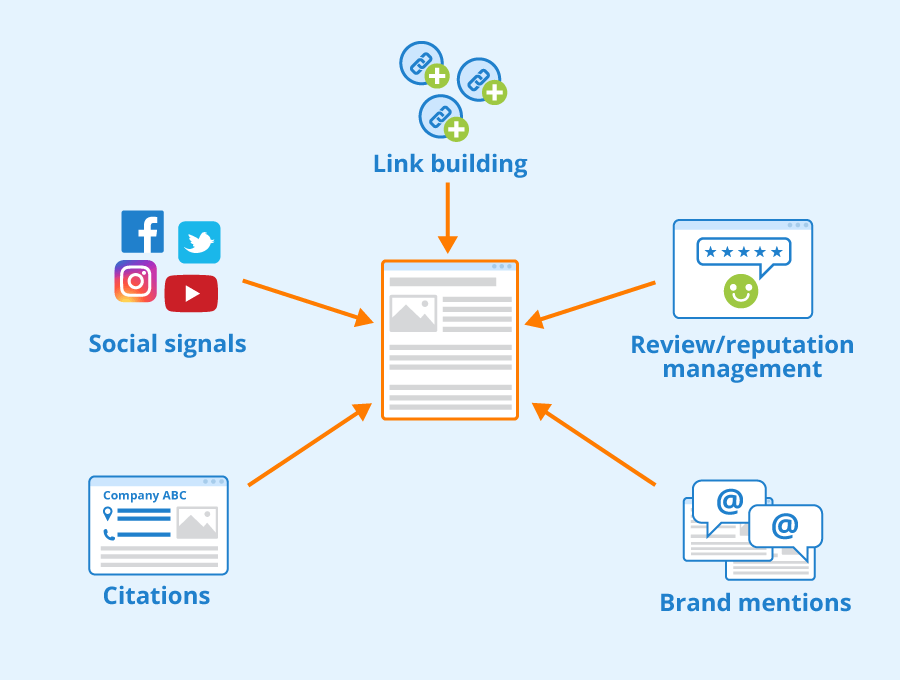
Off-Page SEO refers to all activities outside your website that influence search engine rankings and visibility — primarily by signalling authority, credibility, trust, reputation and relevance to search engines and generative AI systems. Traditionally dominated by backlinks, modern off-page SEO now includes brand signals, digital PR, entity association, social presence, community signals, and generative search visibility.

2. Why Off-Page SEO Matters in 2026
While on-site optimisation ensures your website can be understood by search engines, off-page SEO tells them why your content matters in the larger ecosystem:
📈 Key Benefits
- Authority & Trust: High-quality links from trusted domains act as endorsements in Google’s algorithms and AI models.
- Brand Visibility & Recognition: Online mentions, featured content and media coverage improve visibility beyond search engines.
- Generative Search Signals (GEO): AI systems increasingly prioritise recognised entities across multiple authoritative contexts.
- Referral Traffic Growth: Links from high-traffic sources bring users directly to your site.
- Higher Click-Through Rates & Conversions: Visibility on trusted third-party sites increases user intent and trust.
In 2026, authority is measured by more than backlinks — it’s about perception, consistency, and presence across trusted digital ecosystems.
3. Core Pillars of Modern Off-Page SEO
A. High-Quality Backlink Profile
Backlinks remain vital — but quality over quantity is essential. One high-authority, niche-relevant backlink often outweighs dozens of low-value links.
Examples of high-value backlinks:
- Guest posts on reputable industry sites
- Press mentions on established media outlets
- Academic or research citations
- Links from authoritative niche blogs
B. Digital PR & Brand Mentions
Digital PR focuses on earned media — generating stories or insights that get featured in news sites, industry blogs or media outlets. Even unlinked brand mentions are considered positive off-page signals that contribute to credibility.

C. Social & Community Engagement
Social signals (shares, comments, discussions) don’t directly improve rankings but amplify reach, drive traffic and generate natural backlinks indirectly.
Community platforms like Reddit, Quora, or industry-specific forums also help situate your brand as an expert voice when approached with genuine value.
D. Local & Niche Citations
For local businesses, consistent listings in directories (e.g., Google Business Profile, industry directories) and credible local backlinks improve local search presence and trustworthiness.
E. Generative Engine & AI Search Signals
With the rise of LLM-driven search (e.g., ChatGPT, Perplexity, SGE), optimisation now includes signals meaningful to AI agents — such as entity consistency, citation patterns, and semantic authority across platforms. These factors contribute to Generative Engine Optimisation (GEO) — ensuring your content is selected as a source in AI-driven answers.
4. Step-by-Step Off-Page SEO Strategy for 2026
Step 1: Prepare the Foundation
Before off-page SEO begins:
- Ensure on-page SEO is strong: proper keywords, structured content, mobile friendliness and fast site performance.
- Conduct keyword and competitor backlink analysis to identify opportunities.
💡 Tip: A strong on-page foundation amplifies the impact of off-page efforts.
Step 2: Craft Link-Worthy Content
Create assets that naturally attract links:
- Original research or case studies
- Comprehensive guides
- Infographics or valuable tools
- Interactive content
Search engines reward content that provides unique, authoritative insights that others want to reference.
Step 3: Execute Ethical Link Building
Use the following white-hat techniques:
- A. Guest Posting
Write authoritative blog posts for niche sites with real audiences. Focus on relevance and value over link placement. - B. Broken Link Building
Identify broken links on authoritative sites and offer your content as a replacement. - C. Resource Outreach
Reach out to curated resource pages relevant to your niche with your best content. - D. Link Reclamation
Find unlinked brand mentions (using tools like Ahrefs or Google Alerts) and request proper attribution with a link.
Step 4: Build Digital PR Campaigns
Pitch stories or data insights to journalists
Support press releases with strong value propositions
Collaborate with industry thought leaders
This strengthens brand authority and generates natural backlinks.
Step 5: Community & Influencer Engagement
Participate in:
- Discussions on niche forums
- Q&A platforms
- LinkedIn or industry groups
Collaborate with influencers whose audience aligns with your target market.
Step 6: Social Amplification
Promote your content across social channels:
- Regular shares with engaging captions
- Encourage user engagement (comments, shares)
- Monitor social trends and adapt content formats
Though not a direct ranking factor, social visibility enhances brand signals and aids link acquisition.
Step 7: Local SEO & Citations
For businesses targeting local audiences:
- Claim and optimise your Google Business Profile
- Encourage customer reviews
- Ensure consistent NAP citations across directories
These steps strengthen local search trust and drive referral traffic.
5. Tools, Metrics & Tracking
Key Metrics to Monitor
- Backlink Quality & Diversity: use Ahrefs, Moz or SEMrush
- Referral Traffic: track in Google Analytics
- Brand Mentions: via Mention, Google Alerts or Brand24
- Authority Growth: Domain Authority (DA), Trust Flow
- Generative Search Visibility: monitor AI answer citations
Tracking these helps refine your strategy and measure ROI.
6. Ethical Off-Page SEO & Google Guidelines
Google emphasises user value, relevance and authenticity in link building. Practices to avoid include:
- Buying/selling links for ranking purposes
- Participating in link farms or excessive link exchanges
- Automated link generation spam
- Low-quality directory submissions
Google favours natural, contextually relevant links, not manipulative tactics.
7. Common Mistakes to Avoid
- 🚫 Mistake: Pursuing Quantity Over Quality
High volumes of low-trust backlinks can harm your reputation. - 🚫 Mistake: Ignoring On-Page Foundations
Off-page SEO has minimal impact if on-site elements are weak. - 🚫 Mistake: Over-Optimised Anchor Text
Too much exact-match anchor text appears unnatural and invites penalties. - 🚫 Mistake: Short-Term Thinking
Off-Page SEO is long-term. Slow, consistent efforts outperform aggressive link acquisition.
8. Summary & Final Checklist


- ✅ Create genuinely linkable content
- ✅ Build high-quality backlinks
- ✅ Prioritise brand mentions and digital PR
- ✅ Engage in relevant communities
- ✅ Amplify via social and influencer channels
- ✅ Track progress with metrics and tools
- ✅ Avoid unethical SEO practices
In Closing
Off-Page SEO in 2026 is about reputation, trust and ecosystem authority — not just backlinks. By embracing a strategic, user-centric, and ethical approach, you’ll build a powerful presence that resonates with search engines, generative AI systems, and real human audiences alike.
If you’d like a downloadable checklist, templates for outreach emails, or a strategy plan tailored to your niche, just ask!
A strong Off-Page SEO strategy delivers the best results only when it is supported by a solid on-site foundation. To understand how to optimise content, structure and technical elements effectively, read our On-Page SEO Step-by-Step Guide for 2026 , which explains everything from keyword optimisation to Core Web Vitals and AI-friendly content practices.
Frequently Asked Questions (FAQs)
What is the difference between off-page and on-page SEO?
On-page SEO involves optimisations directly on your website (content, keywords, structure), while off-page SEO focuses on external signals like backlinks, mentions, and reputation to build authority.
Do social signals directly affect rankings in 2026?
No, social signals are not a direct ranking factor according to Google, but they indirectly help by increasing visibility, traffic, and natural backlinks.
What is Generative Engine Optimisation (GEO)?
GEO is the practice of optimising content to be cited and featured in AI-generated responses from tools like ChatGPT, Perplexity, or Google's AI Overviews, complementing traditional SEO.
Are unlinked brand mentions valuable for SEO?
Yes, even without links, consistent brand mentions across authoritative sources signal credibility and entity recognition to search engines and AI systems.
How can I track off-page SEO progress?
Use tools like Ahrefs or SEMrush for backlinks, Google Analytics for referral traffic, and mention monitoring tools like Brand24 or Google Alerts for brand signals.
Is buying backlinks still effective in 2026?
No, buying links violates Google's guidelines and risks severe penalties. Focus on earning natural, high-quality links through value-driven strategies.
